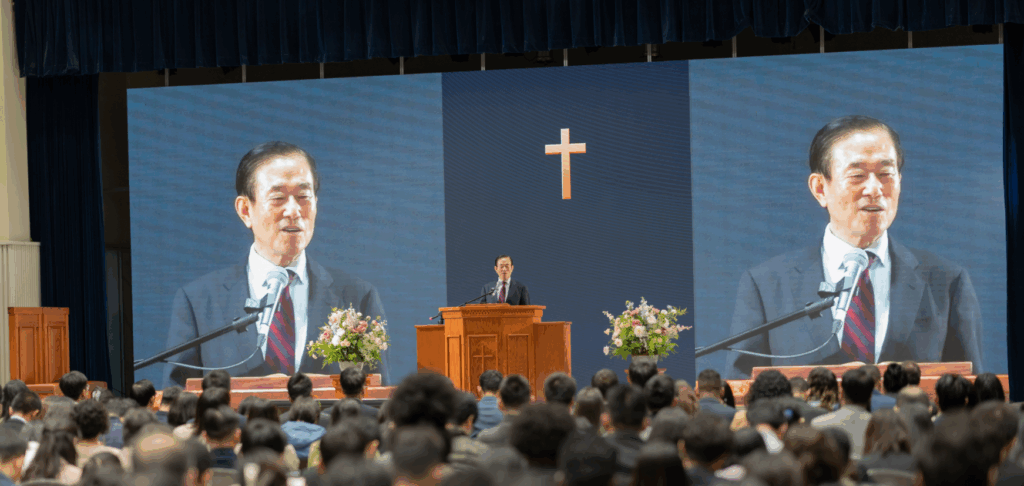
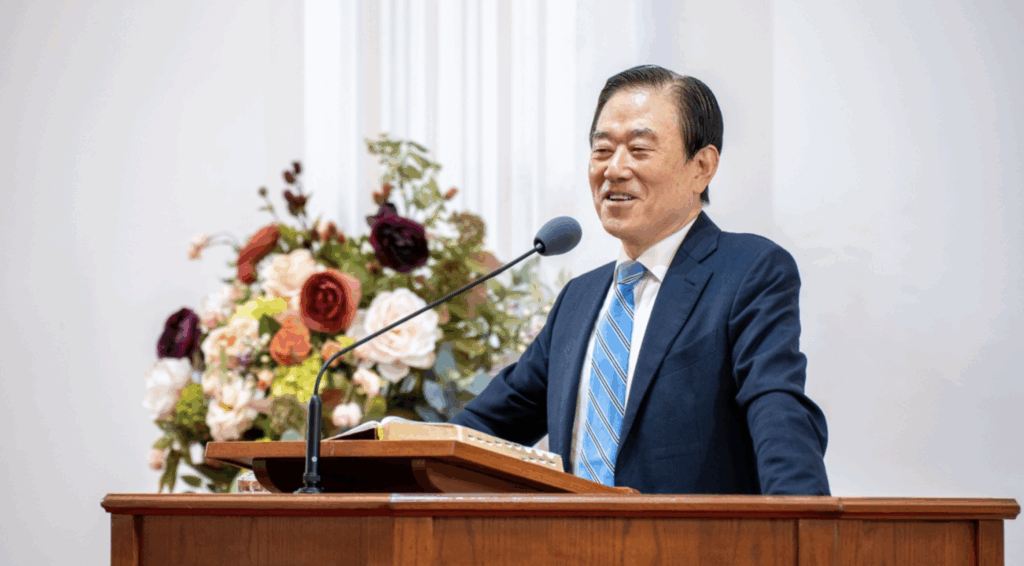
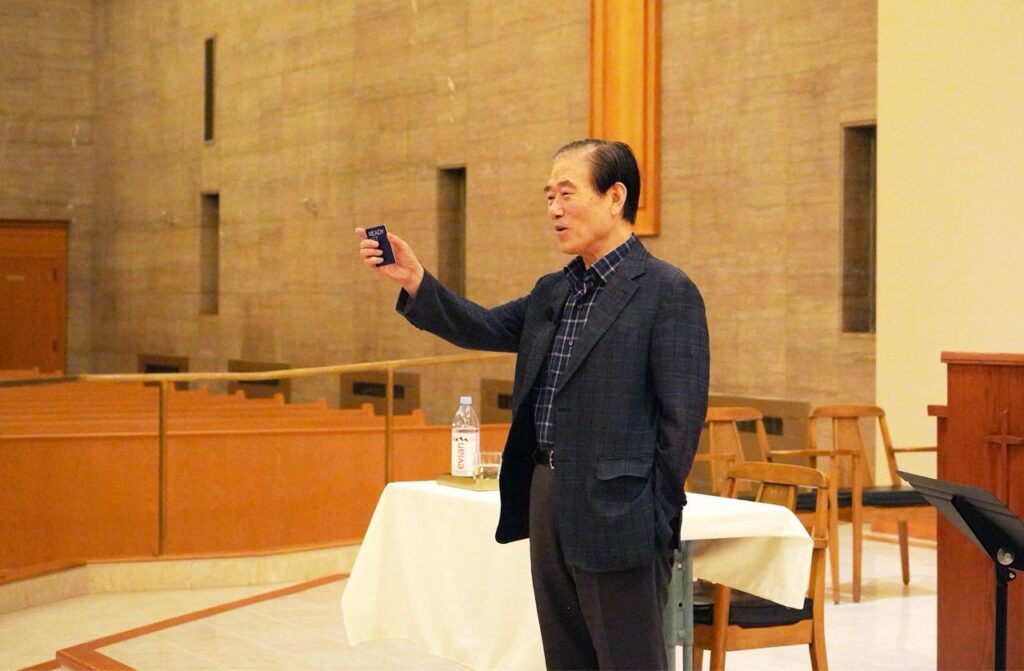
장-프랑수아 밀레의 명작 ‘만종(The Angelus)’을 고요히 응시해 본 적이 있는가? 붉게 타오르며 저무는 황혼의 들녘, 하루의 고단한 노동을 멈추고 멀리서 들려오는 저녁 종소리에 맞춰 깊게 고개를 숙인 농부 부부. 그 캔버스 안에는 눈부신 스테인드글라스도, 웅장함을 자랑하는 파이프 오르간의 선율도 존재하지 않는다. 오직 흙먼지 묻은 거친 손과 가쁜 호흡, 발밑에 놓인 감자 바구니, 그리고 하늘을 향해 올려드리는 깊고 묵직한 침묵만이 흐를 뿐이다. 신앙의 진수란 화려한 조명 아래서의 열광이 아니라, 이토록 남루하고 평범한 일상의 한복판에서 묵묵히 기도의 두 손을 모으는 치열함에서 출발한다.
황혼의 들녘에서 울려 퍼지는 일상의 기도
밀레의 그림에 아로새겨진 이 조용한 헌신의 풍경은, 생의 마지막을 앞두고 바울이 영적 아들 디모데에게 남긴 숭고한 유언과 깊은 궤를 같이한다. 겉모양은 화려하나 그 중심은 허무하게 비어버린 시대, 입술의 말은 넘쳐나지만 삶의 무게와 책임이 결여된 가벼운 믿음 속에서 우리는 과연 무엇을 이정표로 삼아야 하는가. 장재형 목사는 디모데후서 3장의 강해를 통해 오늘날 교회가 상실해 버린 ‘경건의 능력’을 날카로운 신학적 통찰로 짚어낸다. 그가 설파하는 참된 복음은 머리로 고개를 끄덕이는 지적 동의에 머물지 않는다. 그것은 거친 들판을 걷는 발걸음의 순종으로 이어지며, 주일 강단에서 울려 퍼지는 설교에 대한 일시적인 감탄이 아니라, 월요일 저녁 식탁에서 피어나는 인내와 실천으로 완성된다. 경건은 비범한 종교적 체험에서 쏟아지는 것이 아니라, 매일의 시간표에 새겨진 작은 순종들이 단단하게 누적될 때 비로소 그 능력을 발휘하는 것이다.
루스드라의 돌무더기 위로 피어난 신앙의 근육
우리가 발 딛고 살아가는 일상은 종종 차가운 루스드라의 돌바닥으로 돌변한다. 바울이 생명을 걸고 진리를 전하다가 돌에 맞아 죽음의 문턱까지 내몰렸던 루스드라의 처절한 고난(행 14:19-20)은 과거의 역사로 끝나지 않았다. 오늘날 우리의 루스드라는 익명의 혀가 날아드는 악플, 영혼을 갉아먹는 무한 비교 문화, 가차 없는 취소 문화, 그리고 단절이 주는 깊은 우울이라는 이름으로 옷을 갈아입고 우리의 영혼을 무자비하게 짓누른다.
하지만 장재형 목사는 이러한 시대적 고난을 회피나 도피의 신호가 아니라, 더 깊은 성숙을 향한 하나님의 초대라고 해석한다. 주님은 거센 폭풍을 즉시 잠재우시기보다, 그 폭풍의 한가운데서 우리의 배를 더욱 견고하게 빚어가기를 원하신다. 쏟아지는 핍박의 현장에서 멀찍이 떨어져 구경하지 않고 눈물로 곁을 지켰던 디모데처럼, 진리와 사랑으로 단단히 엮인 공동체는 서로의 상처를 끌어안으며 세상의 어떤 위협보다 강한 연대를 이룬다. 이 시린 칼바람을 온몸으로 통과할 때 우리는 십자가의 진정한 은혜를 체감하며, 억울함 앞에서도 입술을 닫는 10초의 침묵이 곧 세상을 이기는 신앙의 근육으로 피어남을 경험하게 된다.
가정의 식탁, 가장 위대한 성소가 되다
그렇다면 이처럼 치열하고 혼란스러운 세상의 한복판에서, 우리는 어떻게 다음 세대에게 변치 않는 진리를 물려줄 수 있을까? 그 해답은 가장 사적이고 평범한 공간, 바로 ‘가정’에 숨어 있다. 디모데의 굳센 믿음은 화려한 대형 예배당의 프로그램이 아니라, 외할머니 로이스와 어머니 유니게의 무릎 위에서 들려오던 부드러운 성경 이야기에서 싹을 틔웠다.
포스트 트루스의 혼돈과 알고리즘의 편향이 우리의 시선과 마음을 끊임없이 강탈하는 시대 속에서, 장재형 목사는 다음 세대를 영적으로 무장시키는 가장 위대한 대안으로 가정예배와 깊이 있는 성경 묵상의 회복을 강력하게 제시한다. 일주일에 단 한 번, 한 시간의 주일 집회로 얻은 감동만으로는 매일같이 밀려드는 세속의 거센 파도를 결코 넘어서지 못한다. 우리의 아이들은 명문장으로 다듬어진 수사학을 기억하는 대신, 부모가 밥상머리에서 건네는 진솔한 감사의 고백, 상대방을 끝까지 경청하는 태도, 그리고 실패 앞에서도 자존심을 꺾고 먼저 사과하는 그 거룩한 뒷모습을 통해 살아계신 하나님을 만난다. 부모가 최초의 목회자로 서고 가정이 작은 교회가 될 때, 말씀은 비로소 활자의 굴레를 벗고 생동감 넘치는 삶의 구조로 자리 잡는다.
거창한 결단보다 단단한, 하루 15분의 거룩한 루틴
말씀이 가진 궁극적인 능력은 우리를 가르치고, 책망하며, 바르게 하고, 의로 훈련하는 역동적인 움직임에 있다(딤후 3:16-17). 진리는 개인의 이기적인 욕망을 합리화해 주는 값싼 주문이 아니다. 그것은 우리를 통렬한 회개와 철저한 섬김이 기다리는 좁은 길로 이끄는 생명의 빛이다.
장재형 목사는 이 단순하면서도 본질적인 신앙의 궤도가 분주한 현대인들에게 과연 가능한지 묻는 이들을 향해, ‘작은 루틴의 위대한 힘’을 힘주어 역설한다. 산발적으로 불타오르다 이내 식어버리는 감정적 열정보다, 매일 정해진 시간에 짧게라도 멈추어 서서 하루를 돌아보고 일터에서 묵묵히 정직을 선택하는 흔들림 없는 루틴이 영혼을 훨씬 더 강력하게 지탱한다. 월요일 아침 직장에서 유혹을 뿌리치고 타협 없이 써 내려간 보고서 한 줄, 손해를 감수하더라도 끝내 포기하지 않는 진실한 선택이 곧 세상을 향해 올려드리는 가장 향기로운 삶의 예배다.
장재형 목사가 시대를 향해 쉼 없이 증언해 온 ‘삶으로 살아내는 믿음’은 바로 이러한 일상의 진실함 속에서 화려한 꽃을 피운다. 함께 모여 서로의 연약함을 고백하고 성경 묵상의 깨달음을 구체적인 삶의 언어로 번역해 낼 때, 신앙은 흔들리지 않는 견고한 성채가 된다. 밀레의 농부 부부처럼 흙먼지 묻은 손으로 묵묵히 기도의 씨앗을 심는 하루, 그 작지만 위대한 순종이 우리 시대의 영적 어둠을 걷어낼 가장 찬란한 빛이 될 것이다.
Claroscuros proyectados sobre el lienzo del alma (Chiaroscuro) Contemplemos en silencio la obra maestra del gran pintor barroco Caravaggio, La vocación de San Mateo (The Calling of Saint Matthew). Dentro de una aduana sombría, entre personas que cuentan monedas con avidez, irrumpe un rayo de luz potente. Esa luz no es una simple lámpara que disipa la oscuridad, sino el gesto irresistible de gracia de Jesucristo, que llama al pecador Mateo. La conmoción que este cuadro nos provoca se debe a que, mediante el contraste extremo entre luz y sombra —la técnica del claroscuro (chiaroscuro)—, expone visualmente los dos mundos que coexisten en el interior humano. También nuestro corazón, como ese lienzo, se convierte cada día en un campo de batalla encarnizado. Allí donde chocan la luz del llamamiento santo y la oscuridad de la carne que aún se aferra a viejos hábitos, justo en ese punto comienza nuestra vida de fe.
Hoy existe un mensaje que ofrece una profunda perspicacia teológica sobre esta guerra silenciosa que ocurre dentro de nosotros. El pastor David Jang, a través de su exposición de Gálatas 5, ilumina esta lucha no como un simple conflicto moral, sino como un problema de existencia espiritual en el que se enfrentan las “obras de la carne” y el “fruto del Espíritu”. Como ese instante en el cuadro de Caravaggio en el que Mateo duda si seguirá la luz o volverá su mirada a las monedas de la penumbra, nosotros también nos encontramos cada día ante la encrucijada: seguir al Espíritu o rendirnos a los deseos de la carne. Entonces comprendemos que cuando el apóstol Pablo clama: “Andad en el Espíritu”, no se trata de una mera sugerencia, sino de un mandato urgente para sobrevivir.
Más allá de la declaración del tribunal, hacia el aroma de la vida El camino de la fe se parece a una larga peregrinación que comienza con un cambio de “estatus” y avanza hacia un cambio de “nivel”. Muchos cristianos están familiarizados con la emoción de la certeza de salvación, es decir, la justificación (Justification), pero con frecuencia tropiezan en el proceso posterior de la vida: la santificación (Sanctification). El pastor David Jang profundiza con agudeza en este punto. Si la justificación es una declaración única y legal, en el tribunal de Dios, por la cual el pecador es declarado justo, la santificación es el proceso continuo por el cual quien recibió esa declaración se va pareciendo realmente a Cristo en el escenario concreto de la vida. Si el sonido del mazo del juez nos sacó de la prisión, entonces debe seguir un cambio práctico: volver a casa y vivir de una manera acorde con ser hijos del Padre.
Sin embargo, el conocimiento por sí solo no puede producir esa transformación. La contradicción de saber el bien con la mente pero hacer el mal con el cuerpo demuestra cuán frágil es la voluntad humana. El pastor David Jang advierte que cuando la fe se queda en la acumulación de conocimientos pierde su vitalidad, y enfatiza que únicamente la morada interior del Espíritu Santo, el Consolador, puede transformarnos. Como testifica Romanos, solo cuando el Espíritu de Cristo habita en nosotros entramos en una relación íntima en la que podemos llamar a Dios “Abba, Padre”. Jesús no dejó a sus discípulos como huérfanos, sino que envió al Espíritu Santo porque necesitábamos un poder real: uno que ablande el corazón endurecido y abra los labios cerrados para que alaben. Sin el Espíritu, la santificación es imposible, y el esfuerzo sin gracia no es más que un yugo de legalismo.
Un carácter multicolor que florece desde una vida unificada Las obras de la carne son instintivas y destructivas. Las listas de Gálatas 5 —fornicación, idolatría, enemistades, iras y otras— se parecen demasiado al autorretrato de la sociedad moderna. El pastor David Jang señala que estas obras de la carne son obstáculos graves que impiden heredar el Reino de Dios, y advierte especialmente cuánto endurece el alma el pecado repetido. La tentación del pecado parece dulce, pero su final es ruina y aislamiento espiritual. En cambio, el fruto del Espíritu se manifiesta como un carácter integral y lleno de vida. Un punto interesante es que Pablo no usa el plural “frutos”, sino el singular “fruto (fruit)”. Amor, gozo, paz, paciencia, benignidad, bondad, fidelidad, mansedumbre y templanza no son cuentas sueltas que se mueven por separado, sino un solo fruto: como un mismo fruto con distintos sabores y aromas que brota del único árbol de vida que es el Espíritu.
Según la interpretación del pastor David Jang, el gozo no consiste en reír solo cuando todo va bien, sino en una alegría que brota desde lo profundo de la gracia, por encima de las circunstancias. Asimismo, la paz es una quietud interior que se expande como poder para sanar las relaciones externas. Estas nueve virtudes no son algo que podamos imitar a la fuerza. Del mismo modo que un árbol sano produce naturalmente buen fruto, cuando echamos raíces profundamente en el Espíritu, el fruto se da como resultado de la gracia. Y no se trata de virtudes válidas únicamente dentro del templo. Deben impregnar todas las áreas de la vida cotidiana: la transparencia al manejar las finanzas, la mansedumbre al tratar a los demás, la templanza al gobernar los deseos. El verdadero evangelio no es una doctrina abstracta, sino que se prueba con frutos concretos de vida como estos.
La santa decisión de clavar los deseos en la cruz Entonces, ¿cómo podemos vencer en esta guerra espiritual tan feroz? Pablo declara: “Los que son de Cristo Jesús han crucificado la carne con sus pasiones y deseos”. El pastor David Jang traduce esta declaración solemne a prácticas muy pequeñas de la vida diaria. Más importante que los grandes actos religiosos es el valor de pedir perdón primero en medio de tensiones relacionales, la sabiduría de bloquear de antemano las rutas de la tentación, y la honestidad de sacar a la luz el pecado oculto. Es como la decisión de Mateo en el cuadro de Caravaggio cuando se levanta y abandona la mesa de la aduana. Esos instantes, una y otra vez —elegir arrepentimiento en lugar de excusas, templanza en lugar de libertinaje—, se van acumulando y completan el gran fresco de la santidad.
La gracia jamás puede ser una licencia para el desenfreno. La gracia verdadera no solo nos libera del pecado, sino que también nos da fuerza para luchar contra él. ¿Qué está gobernando tu vida hoy? ¿Los deseos de la carne, endurecidos como un hábito, o los anhelos claros y santos del Espíritu? Como exhorta el pastor David Jang, en este mismo instante, delante de la cruz, niégate a ti mismo y afina el oído a la voz suave del Espíritu. La santificación no es un camino solitario que se recorre a solas, sino una caminata acompañada: con el Espíritu Santo que gime y ora dentro de nosotros. Deseo que des un paso más hacia ese mundo de luz santa: la verdadera libertad que solo disfrutan quienes se despojan de las obras de la carne.
魂のキャンバスに落ちる明暗(Chiaroscuro) バロック美術の巨匠カラヴァッジョ(Caravaggio)の名作『聖マタイの召命(The Calling of Saint Matthew)』を静かに見つめてみます。薄暗い収税所の中、貪るように硬貨を数える人々の群れへ、一筋の強烈な光が注ぎ込みます。その光は、単に闇を照らす照明ではありません。罪人マタイを呼び出されるイエス・キリストの、抗いようのない恵みの手招きです。この絵が私たちに与える震えは、光と闇の鮮烈な対比――すなわちキアロスクーロ(Chiaroscuro/明暗法)によって、人間の内面に同居する二つの世界を視覚的に暴き出すからです。私たちの心もまた、このキャンバスのように日々、激しい戦場となります。聖なる召命の光と、なお古い習慣に留まろうとする肉の闇が衝突する場所――まさにその地点から、私たちの信仰生活は始まります。
1. Les ombres et la lumière projetées sur la toile de l’âme (clair-obscur / Chiaroscuro)
Contemplons en silence le chef-d’œuvre du maître baroque Caravage (Caravaggio), La Vocation de saint Matthieu (The Calling of Saint Matthew). Dans un bureau de douane sombre et étouffant, au milieu d’hommes comptant avidement des pièces, un rayon de lumière puissant fait irruption. Cette lumière n’est pas un simple éclairage dissipant l’obscurité : c’est le geste irrésistible de la grâce de Jésus-Christ appelant le pécheur Matthieu. Si ce tableau nous saisit, c’est parce qu’il révèle visuellement, par le contraste radical de la lumière et des ténèbres — le clair-obscur (Chiaroscuro) — les deux mondes qui cohabitent au plus profond de l’être humain. Notre cœur, lui aussi, devient chaque jour un champ de bataille aussi âpre que cette toile. Là où la lumière de l’appel saint heurte encore l’ombre de la chair, restée attachée aux anciennes habitudes, c’est précisément là que commence notre vie de foi.
Il existe aujourd’hui un message qui apporte un éclairage théologique profond sur cette guerre silencieuse intérieure. À travers son exposition de Galates chapitre 5, le pasteur David Jang montre que ce combat n’est pas un simple conflit moral, mais une question existentielle spirituelle : l’opposition entre les « œuvres de la chair » et le « fruit de l’Esprit ». Comme l’instant suspendu, dans le tableau du Caravage, où Matthieu doit décider s’il suivra la lumière ou s’il détournera à nouveau les yeux vers les pièces dans l’ombre, nous nous trouvons chaque jour à la croisée des chemins : suivre l’Esprit ou céder aux désirs de la chair. Nous comprenons alors que l’exhortation de l’apôtre Paul — « Marchez selon l’Esprit » — n’était pas un simple conseil, mais un ordre pressant, vital.
2. Au-delà du verdict du tribunal : devenir un parfum de vie
Le chemin de la foi ressemble à un long pèlerinage qui commence par un changement de « statut » et progresse vers un changement de « niveau ». Beaucoup de chrétiens sont familiers de l’émotion de l’assurance du salut, c’est-à-dire de la justification (Justification), mais trébuchent souvent dans la suite de la vie : le processus de sanctification (Sanctification). Le pasteur David Jang aborde ce point avec acuité. Si la justification est une déclaration unique et juridique — au tribunal de Dieu, le pécheur est déclaré juste — la sanctification, elle, est un processus continu : celui par lequel la personne ayant reçu cette déclaration apprend, dans la réalité de la vie, à ressembler au Christ. Si le coup de marteau du juge nous a fait sortir de prison, il doit ensuite y avoir une transformation concrète : rentrer à la maison et vivre réellement comme un enfant du Père.
Mais la connaissance, à elle seule, ne peut provoquer ce changement. La contradiction — savoir le bien avec la tête, mais accomplir le mal avec le corps — prouve combien la volonté humaine est fragile. Le pasteur David Jang avertit que lorsque la foi se réduit à une accumulation de savoir, elle perd sa vitalité, et il souligne que seule l’inhabitation du Saint-Esprit, le Consolateur (Paraclet), peut nous transformer. Comme en témoigne l’épître aux Romains, lorsque l’Esprit du Christ demeure en nous, nous entrons enfin dans une relation intime où nous appelons Dieu « Abba, Père ». Si Jésus n’a pas laissé ses disciples comme des orphelins et a envoyé l’Esprit, c’est parce qu’il fallait une puissance réelle : une puissance qui attendrit les cœurs endurcis et ouvre des lèvres fermées pour qu’elles chantent la louange. Une sanctification sans l’Esprit est impossible ; un effort sans grâce ne devient qu’un joug légaliste.
3. D’une vie unifiée naissent des caractères aux mille couleurs
Les œuvres de la chair sont instinctives et destructrices. La liste de Galates 5 — immoralité, idolâtrie, inimitiés, colères, et autres — ressemble trop au portrait de notre société moderne. Le pasteur David Jang souligne que ces œuvres de la chair sont de graves obstacles qui empêchent d’hériter du Royaume de Dieu, et il met particulièrement en garde contre la façon dont le péché répété durcit l’âme. La tentation du péché paraît douce, mais son terme est la ruine et l’isolement intérieur. À l’inverse, le fruit de l’Esprit se manifeste comme un caractère intégré, débordant de vie. Fait remarquable : Paul n’emploie pas le pluriel « fruits », mais le singulier « fruit ». Amour, joie, paix, patience, bonté, bienveillance, fidélité, douceur, maîtrise de soi ne sont pas des perles éparses : ce sont les multiples saveurs et parfums d’un seul et même fruit, porté par l’unique arbre de vie qu’est l’Esprit.
Selon l’interprétation du pasteur David Jang, la joie ne consiste pas à sourire seulement quand tout va bien : c’est une allégresse qui jaillit, au-delà des circonstances, des profondeurs de la grâce. De même, la paix n’est pas seulement un calme intérieur : elle s’étend jusqu’à devenir une puissance qui guérit les relations extérieures. Ces neuf qualités ne peuvent pas être imitées de force. Comme un arbre sain porte naturellement de bons fruits, elles deviennent le produit de la grâce lorsque nous nous enracinons profondément dans l’Esprit. Et ce ne sont pas des vertus valables uniquement à l’intérieur d’un lieu de culte : elles doivent imprégner tous les domaines du quotidien — transparence dans la gestion de l’argent, douceur dans la manière de traiter autrui, maîtrise de soi pour gouverner les désirs. Le véritable Évangile n’est pas une doctrine abstraite : il se prouve par des fruits concrets dans la vie.
4. Une décision sainte : clouer les désirs à la croix
Alors, comment vaincre dans cette guerre spirituelle intense ? Paul déclare : « Ceux qui sont à Jésus-Christ ont crucifié la chair avec ses passions et ses désirs. » Le pasteur David Jang traduit cette déclaration grave en pratiques très petites, mais quotidiennes. Plus que des actes religieux grandioses, ce qui compte, c’est le courage de s’excuser le premier quand une relation se tend, la sagesse de couper à l’avance les chemins de la tentation, l’honnêteté de mettre au grand jour, dans la lumière, le péché secret. C’est comme la décision de Matthieu, dans le tableau du Caravage, de repousser sa chaise au bureau de douane et de se lever. À force d’instants où l’on choisit la repentance plutôt que les excuses, la tempérance plutôt que le laisser-aller, se construit peu à peu la grande fresque de la sainteté.
La grâce ne peut jamais devenir un permis de débauche. La vraie grâce ne nous libère pas seulement du péché : elle nous donne aussi la force de le combattre. Qu’est-ce qui gouverne votre vie aujourd’hui ? Les désirs de la chair, durcis en habitudes ? Ou bien le désir pur et saint de l’Esprit ? Comme y exhorte le pasteur David Jang, reniez-vous vous-même, en cet instant, devant la croix, et prêtez l’oreille à la voix douce et subtile de l’Esprit. La sanctification n’est pas une route solitaire : c’est une marche en compagnie du Saint-Esprit qui gémit et intercède en nous. Puissiez-vous faire un pas de plus vers cette véritable liberté — une liberté que seul goûte celui qui se dépouille des œuvres de la chair — et entrer dans le monde de cette lumière sainte.
1. Light and Shadow Cast Across the Canvas of the Soul (Chiaroscuro)
Let us quietly gaze upon The Calling of Saint Matthew by the Baroque master Caravaggio. Inside a dim tax booth, amid people greedily counting coins, a powerful beam of light pours in. That light is not merely illumination that dispels darkness; it is the irresistible gesture of grace from Jesus Christ, calling the sinner Matthew.
What makes this painting so arresting is the stark contrast of light and darkness—the chiaroscuro technique—which visually exposes two worlds coexisting within the human interior. Our hearts, too, become a fierce battlefield every day. Where the light of a holy calling collides with the darkness of the flesh still lingering in old habits—right there, at that very point, our life of faith begins.
There is a message that offers deep theological insight into this silent war within us. Through his exposition of Galatians 5, Pastor David Jang illuminates this struggle not as a mere moral conflict, but as an existential spiritual reality: the opposition between the “works of the flesh” and the “fruit of the Spirit.” Just as Matthew in Caravaggio’s painting stands in that split second of decision—whether to follow the light or turn his eyes back to coins in the shadows—so we stand daily at the crossroads of whether to follow the Spirit or surrender to the desires of the flesh. We come to realize that when the apostle Paul cried, “Walk by the Spirit,” it was not a casual suggestion, but an urgent command for survival.
2. Beyond the Courtroom Declaration to the Fragrance of Life
The journey of faith is like a long pilgrimage that begins with a change of “status” and moves toward a change of “condition.” Many Christians are familiar with the assurance of salvation—the exhilaration of justification—but often stumble in the process that follows: sanctification. Pastor David Jang penetrates this point with precision. If justification is a once-for-all, legal declaration in God’s courtroom by which a sinner is pronounced righteous, sanctification is the continuing process by which the one who has received that declaration actually becomes more like Christ in the real arena of life.
If the sound of the gavel has released us from prison, then a genuine transformation must follow as we return home and learn to live as the Father’s children. Yet knowledge alone cannot produce such change. The contradiction—knowing the good with our minds but doing evil with our bodies—proves how fragile human willpower truly is. Pastor David Jang warns that when faith remains at the level of accumulating knowledge, it loses its vitality; only the indwelling of the Helper, the Holy Spirit, can transform us.
As Romans testifies, when the Spirit of Christ dwells within us, we finally enter into intimacy and call God “Abba, Father.” The reason Jesus did not leave His disciples as orphans but sent the Holy Spirit was because we needed practical power—power that softens hardened hearts and opens closed lips to praise. Sanctification without the Spirit is impossible, and effort without grace becomes nothing but the yoke of legalism.
3. Diverse Character Blossoming from One United Life
The works of the flesh are instinctive and destructive. The list in Galatians 5—sexual immorality, idolatry, enmity, fits of anger, and more—bears an uncanny resemblance to a portrait of modern society. Pastor David Jang points out that such works of the flesh are serious obstacles that prevent people from inheriting the kingdom of God, and he warns especially of how repeated sin hardens the soul into rigidity.
Temptation looks sweet, but its end is ruin and the isolation of the soul. In contrast, the fruit of the Spirit appears as an integrated character overflowing with life. One intriguing point is that Paul does not say “fruits” in the plural, but “fruit” in the singular. Love, joy, peace, patience, kindness, goodness, faithfulness, gentleness, and self-control are not beads scattered and separate; they are one fruit—one unified reality—bearing different tastes and fragrances, growing from the single tree of life that is the Holy Spirit.
According to Pastor David Jang’s interpretation, joy is not simply smiling when circumstances are good, but a delight that rises from the deep well of grace, transcending one’s environment. Peace is the inner stillness that expands outward into the power to heal relationships. These nine qualities are not things we can manufacture by sheer imitation. Just as a healthy tree naturally bears good fruit, these are products of grace that grow in us when we take deep root in the Spirit.
Nor are they virtues that apply only within the church building. They must permeate every domain of everyday life: transparency in handling finances, gentleness in treating others, and self-control in governing desire. The true gospel is not an abstract doctrine; it proves itself through such concrete fruit in real life.
4. A Holy Resolve to Nail Desire to the Cross
Then how can we win this fierce spiritual war? Paul declares, “Those who belong to Christ Jesus have crucified the flesh with its passions and desires.” Pastor David Jang translates this solemn declaration into very small practices of daily life. More important than grand religious acts are the courage to apologize first amid relational tension, the wisdom to cut off paths of temptation in advance, and the honesty to bring hidden sins into the light.
This resembles Matthew in Caravaggio’s painting, rising up and leaving the tax booth behind. Those moment-by-moment choices—choosing repentance instead of excuses, self-control instead of indulgence—gather together to complete the great “sanctification” called holiness.
Grace can never be a license for dissipation. True grace not only frees us from sin; it supplies strength to fight against it. What is ruling your life today? Is it the desires of the flesh, hardened into habit—or the pure and holy desire of the Spirit? As Pastor David Jang exhorts, deny yourself before the cross in this very moment, and listen to the gentle voice of the Holy Spirit. Sanctification is not a lonely road walked alone, but a companionship with the Spirit who groans and prays within us. May you take one more step into that world of holy light—the true freedom enjoyed only by those who have put off the works of the flesh.
灵魂画布上投下的明暗(Chiaroscuro) 让我们静静凝视巴洛克艺术大师卡拉瓦乔(Caravaggio)的杰作《圣马太的蒙召(The Calling of Saint Matthew)》。在昏暗的税吏室里,一群人贪婪地数着银币;就在那人群之间,一束强烈的光骤然倾泻而入。那光并非只是驱散黑暗的照明,而是耶稣基督呼召罪人马太、令人无法抗拒的恩典之手势。此画带给人的战栗,正源于光与暗的极端对比——明暗对照(Chiaroscuro)技法,把人内心并存的两个世界直观地揭露出来。我们的心也如同这幅画的画布,每一天都成为激烈的战场:圣洁呼召的光,与仍停留在旧习惯里的肉体之暗相互碰撞。信仰生活,正是从这冲突的交界处开始的。
바로크 미술의 거장 카라바조(Caravaggio)의 걸작 <성 마태오의 소명(The Calling of Saint Matthew)>을 가만히 응시해 봅니다. 어두침침한 세관 안, 탐욕스럽게 동전을 세고 있는 사람들 틈으로 한 줄기 강력한 빛이 쏟아져 들어옵니다. 그 빛은 단순히 어둠을 밝히는 조명이 아니라, 죄인 마태오를 부르시는 예수 그리스도의 거부할 수 없는 은혜의 손짓입니다. 이 그림이 우리에게 주는 전율은 빛과 어둠의 극명한 대비, 즉 키아로스쿠로(Chiaroscuro) 기법을 통해 인간 내면에 공존하는 두 세계를 시각적으로 폭로하기 때문입니다. 우리의 마음 역시 이 캔버스처럼 매일 치열한 전장이 됩니다. 거룩한 부르심의 빛과 여전히 옛 습관에 머물러 있는 육체의 어둠이 충돌하는 곳, 바로 그 지점에서 우리의 신앙생활은 시작됩니다.
오늘 우리 내면에서 벌어지는 이 소리 없는 전쟁에 대해 깊이 있는 신학적 통찰을 제시하는 메시지가 있습니다. 장재형 목사는 갈라디아서 5장 강해를 통해, 이 싸움을 단순한 도덕적 갈등이 아닌 ‘육체의 일’과 ‘성령의 열매’가 대립하는 영적 실존의 문제로 조명합니다. 카라바조의 그림 속 마태오가 빛을 따라나설 것인가, 아니면 다시 어둠 속의 동전으로 눈을 돌릴 것인가를 고민하는 그 찰나의 순간처럼, 우리는 매일 성령을 따를 것인지 육체의 욕망에 굴복할 것인지의 기로에 서 있습니다. 바울 사도가 “성령을 따라 행하라”고 외친 것은 단순한 권유가 아니라, 생존을 위한 절박한 명령이었음을 깨닫게 됩니다.
2. 법정의 선언을 넘어 삶의 향기로
신앙의 여정은 ‘신분’의 변화에서 시작하여 ‘수준’의 변화로 나아가는 긴 순례와도 같습니다. 많은 그리스도인이 구원의 확신, 즉 칭의(Justification)의 감격에는 익숙하지만, 그 이후의 삶인 성화(Sanctification)의 과정에서는 자주 넘어지곤 합니다. 장재형 목사는 이 지점을 예리하게 파고듭니다. 칭의가 하나님의 법정에서 죄인이 의롭다 하심을 받는 단회적이고 법적인 선언이라면, 성화는 그 선언을 받은 자가 실제 삶의 현장에서 그리스도를 닮아가는 지속적인 과정이라고 설명합니다. 법정의 판결봉 소리가 우리를 감옥에서 나오게 했다면, 이제는 집으로 돌아와 아버지의 자녀답게 살아가는 실질적인 변화가 뒤따라야 한다는 것입니다.
그러나 지식만으로는 이 변화를 이끌어낼 수 없습니다. 머리로는 선을 알지만 몸은 악을 행하는 모순은 인간의 의지가 얼마나 나약한지를 방증합니다. 장재형 목사는 신앙이 지식의 축적으로 머무를 때 생명력을 잃는다고 경고하며, 오직 보혜사 성령의 내주하심만이 우리를 변화시킬 수 있다고 강조합니다. 로마서가 증언하듯, 그리스도의 영이 우리 안에 거하실 때 비로소 우리는 하나님을 “아바, 아버지”라 부르며 친밀한 관계 속으로 들어갑니다. 예수님께서 제자들을 고아처럼 버려두지 않으시고 성령을 보내신 이유는, 우리의 굳은 마음을 부드럽게 하고 닫힌 입술을 열어 찬양하게 하는 실제적인 능력이 필요했기 때문입니다. 성령 없는 성화는 불가능하며, 은혜 없는 노력은 율법주의의 멍에가 될 뿐입니다.
3. 하나 된 생명에서 피어나는 다채로운 성품
육체의 일은 본능적이고 파괴적입니다. 갈라디아서 5장에 나열된 음행, 우상숭배, 원수 맺는 것, 분냄과 같은 목록들은 오늘날 현대 사회의 자화상과 너무나도 닮아 있습니다. 장재형 목사는 이러한 육체의 일들이 하나님 나라를 유업으로 받지 못하게 하는 심각한 장애물임을 지적하며, 특히 반복되는 죄가 영혼을 얼마나 딱딱하게 굳어지게 만드는지 경고합니다. 죄의 유혹은 달콤해 보이지만, 그 끝은 파멸이며 영혼의 고립입니다. 반면, 성령의 열매는 생명력이 넘치는 통합적인 성품으로 나타납니다. 흥미로운 점은 바울이 ‘열매들’이라는 복수형 대신 단수형 ‘열매(fruit)’를 사용했다는 것입니다. 사랑, 희락, 화평, 오래 참음, 자비, 양선, 충성, 온유, 절제는 각각 따로 노는 구슬이 아니라, 성령이라는 하나의 생명 나무에서 맺히는 맛과 향이 다른 하나의 과실과도 같습니다.
장재형 목사의 해석에 따르면, 희락은 상황이 좋을 때만 웃는 것이 아니라 환경을 초월해 은혜의 깊은 곳에서 솟아나는 기쁨입니다. 또한 화평은 내면의 고요함이 외부의 관계를 치유하는 능력으로 확장되는 것입니다. 이 아홉 가지 성품은 우리가 억지로 흉내 낼 수 있는 것이 아닙니다. 나무가 건강하면 자연스럽게 좋은 열매가 맺히듯, 우리가 성령 안에 깊이 뿌리 내릴 때 저절로 맺혀지는 은혜의 산물입니다. 이것은 예배당 안에서만 유효한 덕목이 아닙니다. 재정을 다루는 투명함, 타인을 대하는 온유한 태도, 욕망을 다스리는 절제의 모습으로 일상의 모든 영역에 스며들어야 합니다. 진정한 복음은 추상적인 교리가 아니라, 이처럼 구체적인 삶의 열매로 증명됩니다.
4. 십자가에 욕망을 못 박는 거룩한 결단
그렇다면 우리는 이 치열한 영적 전쟁에서 어떻게 승리할 수 있을까요? 바울은 “그리스도 예수의 사람들은 육체와 함께 그 정과 욕심을 십자가에 못 박았느니라”라고 선언합니다. 장재형 목사는 이 비장한 선언을 일상의 아주 작은 실천으로 번역해 줍니다. 거창한 종교적 행위보다 중요한 것은 관계의 긴장 속에서 먼저 사과하는 용기, 유혹의 경로를 사전에 차단하는 지혜, 은밀한 죄를 빛 가운데 드러내는 정직함입니다. 이는 마치 카라바조의 그림 속 마태오가 세관의 자리를 박차고 일어나는 결단과도 같습니다. 핑계 대신 회개를, 방종 대신 절제를 선택하는 그 순간순간이 모여 거룩이라는 거대한 성화를 완성해 갑니다.
은혜는 결코 방종의 면허증이 될 수 없습니다. 참된 은혜는 우리를 죄에서 자유롭게 할 뿐만 아니라, 죄와 싸울 힘을 공급합니다. 오늘 당신의 삶을 지배하고 있는 것은 무엇입니까? 습관처럼 굳어진 육체의 소욕입니까, 아니면 맑고 거룩한 성령의 소원입니까? 장재형 목사의 권면처럼, 지금 이 순간 십자가 앞에서 나를 부인하고 성령의 세미한 음성에 귀를 기울여 보십시오. 성화는 혼자 걷는 외로운 길이 아니라, 우리 안에서 탄식하며 기도하시는 성령님과 함께 걷는 동행입니다. 육체의 일을 벗어버린 자만이 누릴 수 있는 참된 자유, 그 거룩한 빛의 세계로 한 걸음 더 내디디시기를 소망합니다.
우리는 흔히 죄를 단순히 ‘윤리적 실수’나 ‘나쁜 행동’의 나열로 치부하곤 합니다. 하지만 **장재형 목사(Olivet University)**는 창세기 3장을 통해 죄의 본질이 인간 영혼의 근간을 뒤흔드는 **’관계적 붕괴’**임을 역설합니다. 에덴의 사건은 박제된 신화가 아니라, 오늘날 우리가 마주하는 일상의 갈등, 끊이지 않는 욕망, 그리고 그 뒤에 숨은 영적 전쟁의 실체를 적나라하게 보여주는 정교한 진단서와 같습니다.
1. 유혹의 매커니즘: 신뢰를 잠식하는 미세한 독
장재형 목사는 뱀의 유혹이 노골적인 부정보다는 **’의심의 씨앗’**을 심는 것에서 시작됨을 주목합니다. “정말로 하나님이…?”라는 질문은 하나님의 선하심을 왜곡하고, 보호를 위한 울타리였던 금령을 자유를 억압하는 굴레로 오해하게 만듭니다.
자의식의 변질: 인간이 스스로 선악의 주권자가 되려는 교만은 하나님과의 분리를 초래합니다.
욕망의 삼중 구조: ‘먹음직하고, 보암직하며, 지혜롭게 할 만큼 탐스러운’ 유혹은 감각과 인지, 그리고 의지를 차례로 마비시키는 현대의 미디어와 문화적 흐름 속에서도 동일하게 작동합니다.
2. 영적 외과수술: 단호한 끊어냄과 거룩한 습관
죄는 단순히 참는 것이 아니라 그 **’유입 경로’**를 차단해야 할 대상입니다. 장재형 목사는 마태복음 5장의 ‘눈을 빼어 내버리라’는 말씀을 자학적 행위가 아닌, 영혼을 살리기 위한 영적 외과수술로 해석합니다.
통로의 폐쇄: 스마트폰의 무분별한 사용이나 무책임한 관계 등 죄가 스며드는 일상의 채널을 정직하게 점검하고 닫아야 합니다.
여백의 창출: 끊어냄은 상실이 아닙니다. 오히려 말씀과 기도, ‘디지털 안식’을 통해 영혼이 숨 쉴 수 있는 질서를 재건하는 과정입니다.
3. 도피에서 직면으로: “네가 어디 있느냐”
타락한 인간의 전형적인 반응은 수치와 회피, 그리고 책임 전가입니다. 아담과 하와가 서로를 탓하며 숨었을 때, 하나님은 그들을 심판하기 위해서가 아니라 회복시키기 위해 질문을 던지십니다.
“하나님의 질문은 위치를 묻는 것이 아니라, 인간의 영적 상태를 자각하게 하려는 은혜의 초청입니다.” — 장재형 목사
우리는 환경이나 타인을 핑계 삼는 ‘타락한 본능’을 버리고, 오직 진실만이 통하는 하나님의 법정 앞에 정직하게 서는 용기를 가져야 합니다. 성령의 책망은 우리를 정죄로 몰아넣는 것이 아니라, 아버지의 품으로 돌아가게 하는 사랑의 손길이기 때문입니다.
4. 가죽옷과 원시복음: 심판 속에 깃든 자비
하나님은 부끄러움을 가리려 무화과 잎을 엮은 인간에게 짐승을 잡아 **’가죽옷’**을 입히셨습니다. 이는 희생 없이는 죄의 수치를 가릴 수 없다는 구속사의 원리이며, 장차 십자가에서 완성될 예수 그리스도의 보혈을 상징합니다.
창세기 3장 15절(원시복음): 여자의 후손이 뱀의 머리를 상하게 할 것이라는 약속은 인류 역사에 울려 퍼진 첫 번째 구원의 종소리입니다.
발꿈치와 머리의 대조: 사탄은 성도의 발꿈치를 상하게(고난과 유혹) 할 뿐이지만, 그리스도는 이미 사탄의 머리를 상하게 함으로써 최종적 승리를 확정 지으셨습니다.
5. 영적 전쟁의 공동체적 승리
장재형 목사는 영적 전쟁이 개인의 수양을 넘어 공동체적 책임으로 확장되어야 한다고 강조합니다. 사탄의 주특기가 ‘고립과 거짓’이라면, 복음의 능력은 ‘연합과 진실’에서 나옵니다.
서로를 지키는 연대: 부모와 자녀, 리더와 구성원이 서로의 영혼을 돌보며 실족하지 않도록 울타리가 되어주어야 합니다.
성령의 전신갑주: 기도는 무기를 작동시키는 호흡이며, 말씀은 광야의 예수님처럼 유혹을 분별하여 거절하게 하는 실제적인 힘입니다.
결론: 회복의 문은 열려 있습니다
창세기 3장은 에덴으로부터의 추방으로 시작되나, 성경의 결말인 요한계시록은 생명나무로의 귀환으로 마무리됩니다. **장재형 목사(Olivet University)**가 전하는 메시지의 핵심은 우리가 죄 아래 놓인 절망적인 존재임과 동시에, 그리스도 안에서 완전히 회복될 수 있는 존귀한 자녀라는 사실입니다.
오늘도 발꿈치를 노리는 유혹의 화살이 우리를 흔들지라도, 이미 승리하신 그리스도의 궤적을 따라 빛으로 걸어 나갑시다. 타락의 역사가 끝난 자리에서, 십자가로 열린 회복의 길은 지금도 우리를 향해 있습니다.